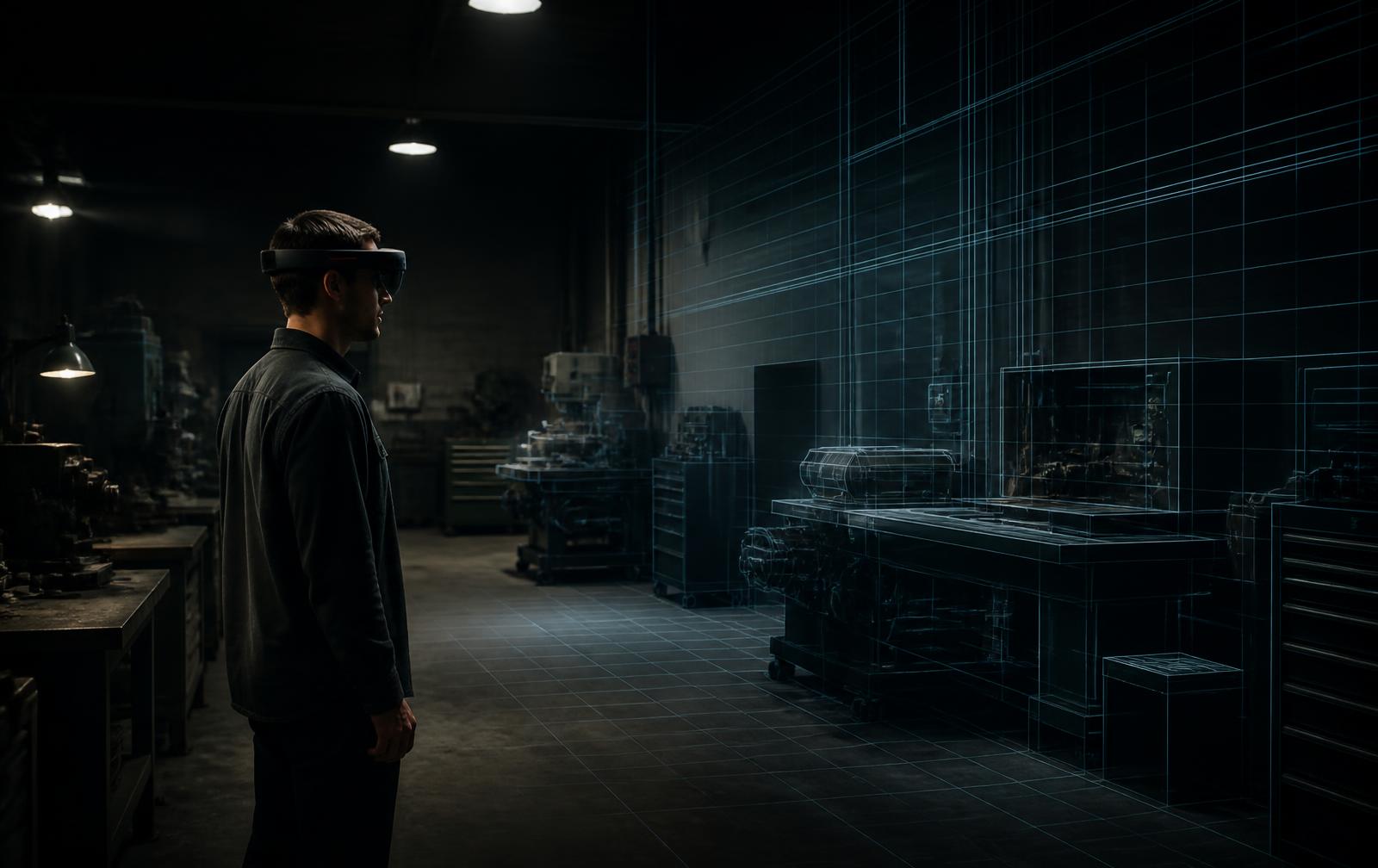
Infrastructure 01
RAY
Accelerating the world to abundance.
Infrastructure connecting humans, AI agents, simulated reality, and the physical world.
01 — Perception
The world is becoming programmable.
Machines can perceive. Models can reason. Robots can act. Sensors, factories, vehicles, tools and environments are producing more information about the physical world than ever before.
But perception, reasoning and action still live in separate systems, behind separate interfaces, inside separate ecosystems.
Ray is being built to connect them.
- Perception
- Reasoning
- Action
02 — Reality
Two realities. One connected system.
Physical reality
People, products, machines, robots, vehicles, factories, cities, spacecraft and environments. The physical world is where things happen.
Simulated reality
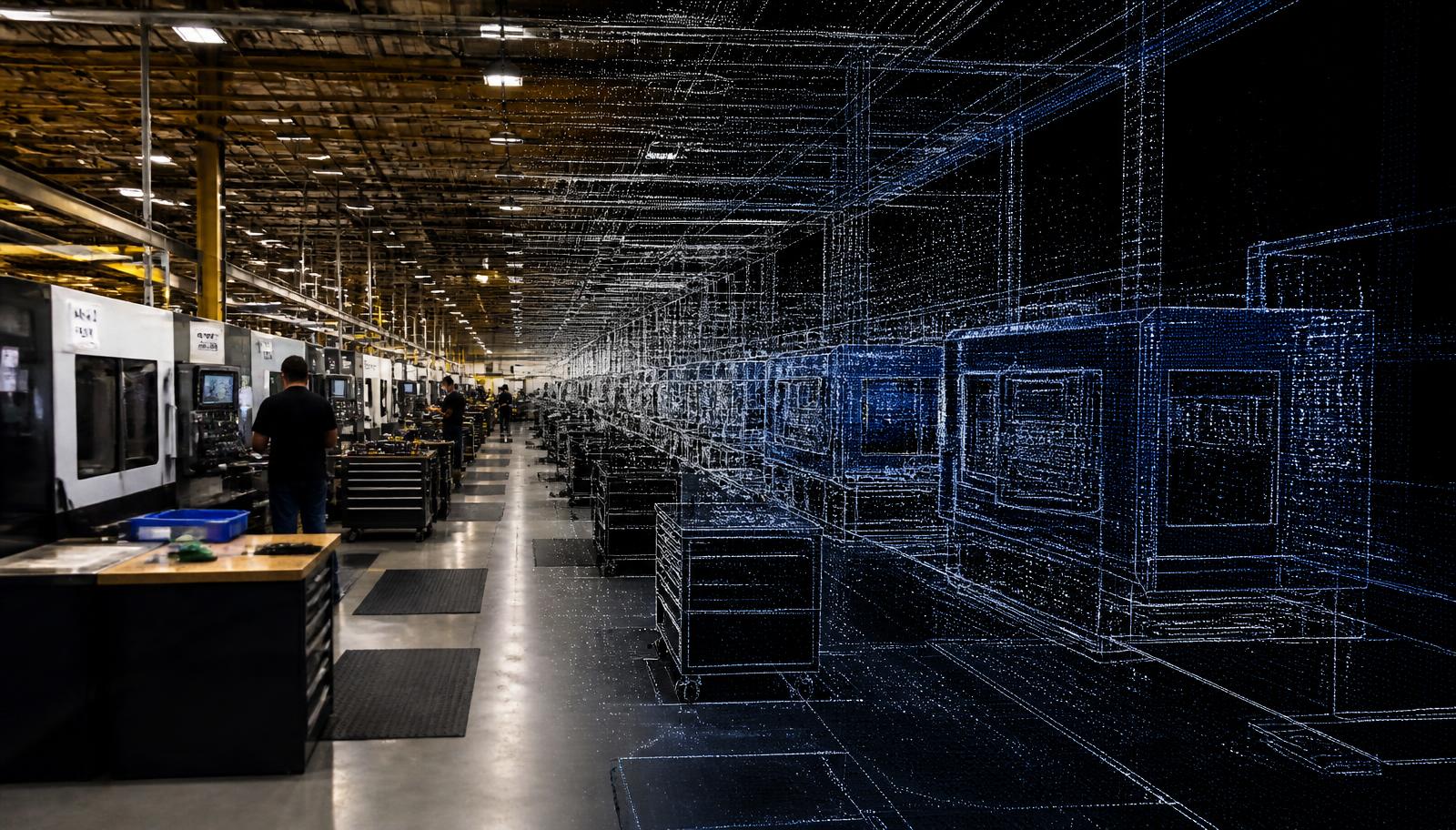
A spatial representation of the physical world. Experience the physical world through another system’s perception.
- Robot
- Spatial recording
- Ray
- Spatial experience
- Human
Live or recorded.
The goal isn’t simply to watch the world.
It’s to experience it through another system.
03 — Spatial experience
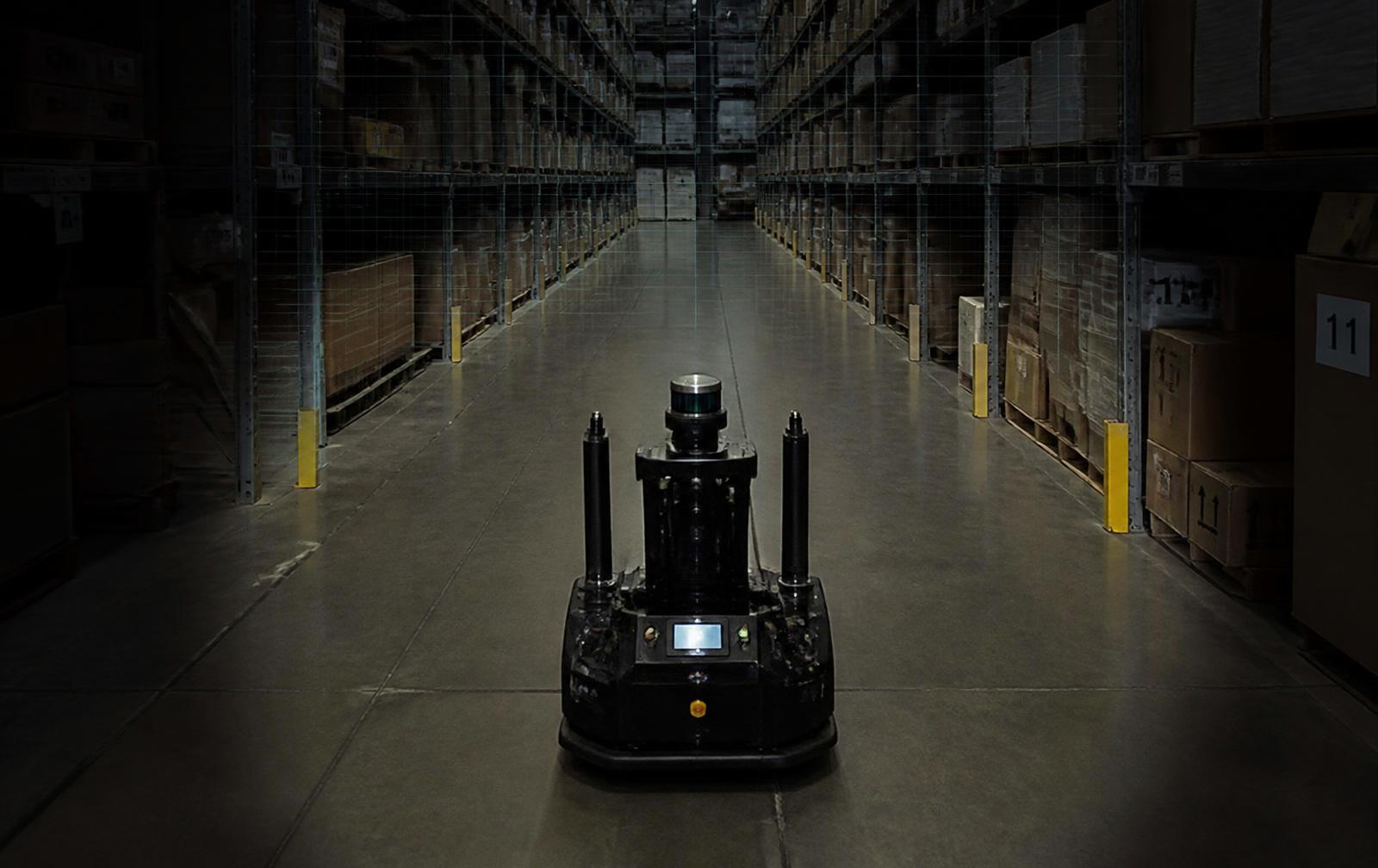
See through the eyes of a machine.
A robot moving through a warehouse, a factory, a city or a remote environment is already perceiving that place. What the robot sees can become what you experience.
- Machine perception
- Ray
- Spatial experience
04 — Teleoperation
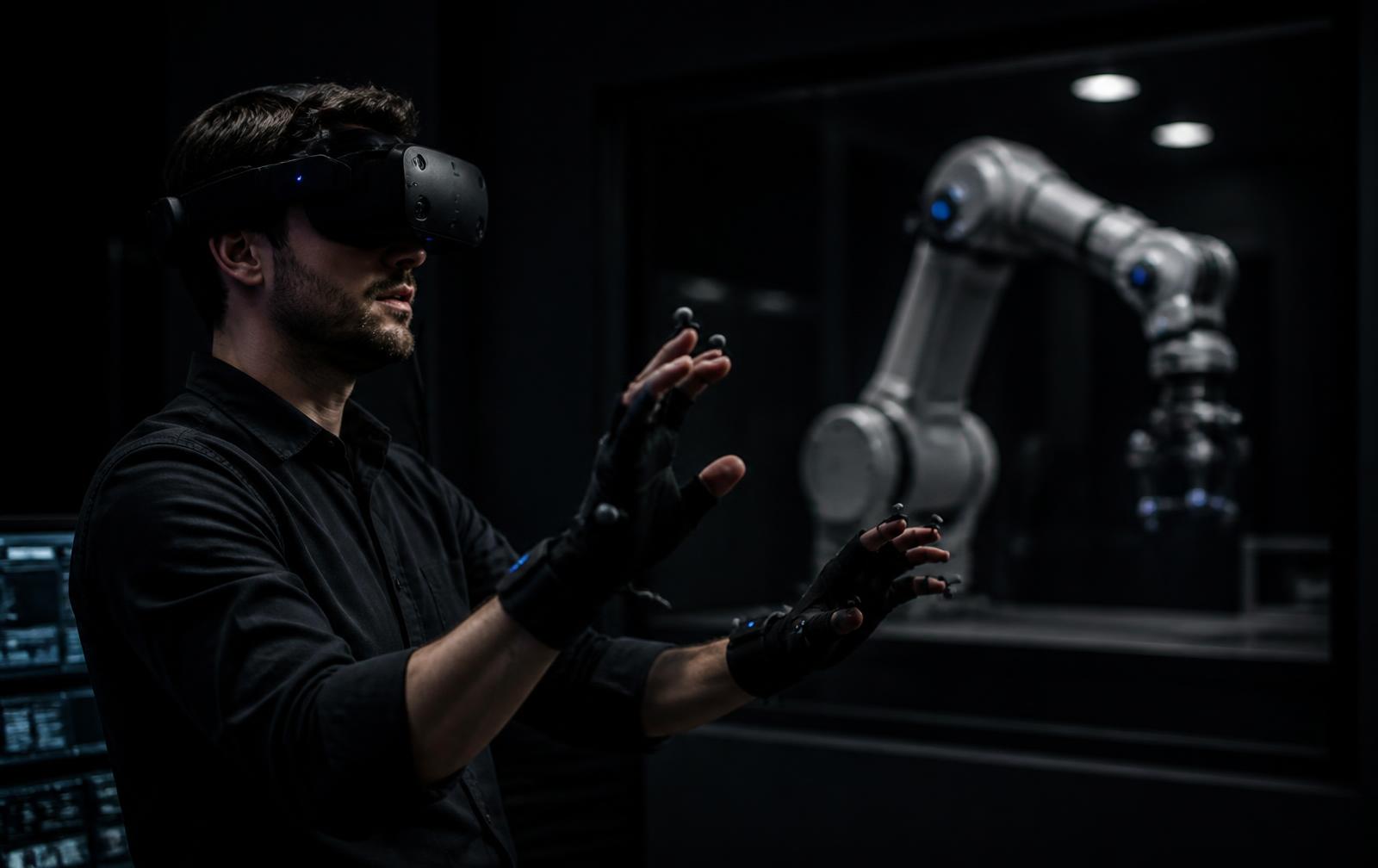
Don’t just experience reality. Act through it.
- Human
- Human interface
- Ray
- Robot
- Physical reality
The interface between humans and machines is expanding.
BCI
Direct neural interfaces.
Spatial interfaces
Spatial perception and interaction.
Tactile gloves
Touch and manipulation.
Smart clothing
Whole-body input and feedback.
Smart socks
Movement and balance sensing.
Motion and sensing systems
Position, gesture and force.
Ray does not manufacture these interfaces. Ray is being built to connect them.
05 — Autonomy
Autonomous agents.
A human controlling a machine becomes a human giving a goal. An AI pursues that goal.
Much of this remains open research. Full autonomy is not solved.
- 01Goal
- 02Perceive
- 03Reason
- 04Plan
- 05Act
- 06Observe
- ↺ Repeats
06 — Openness
Your AI. Your interfaces. Your world.
Your AI
The agents and models you choose.
Your interfaces
The way you perceive and act.
Your physical systems
The machines and environments you connect.
Your world
The reality you operate in.
Your AI should be able to interact with the world—not just talk about it.
07 — Developers
If you can describe it, you can start building it.

- Natural-language instruction
- Developer intent
- Capability
- Simulation / Physical system
A Developer is anyone capable of imagining and creating a capability.
08 — Capability
Turn ideas into capabilities.
Example
“Combine human signals, spatial information and AI into a capability that can run in a simulated world or a physical system.”
09 — New capabilities
Build what doesn’t exist yet.
Human interfaces
New ways for people to perceive and act.
AI agents
Intelligence that pursues goals.
Spatial experiences
Environments experienced through perception.
Robots
Machines that operate in the physical world.
Embodied intelligence
Intelligence with a body and a place.
Simulation
Worlds to explore, rehearse and validate in.
Physical-world applications
Capabilities that reach reality.
Industry systems
Domain infrastructure built on connection.
New forms of human-machine interaction
Interaction that does not exist yet.
10 — Interoperability
Built to connect.
Human Interfaces
- BCI
- Spatial devices
- Tactile interfaces
- Wearables
- Sensors
Artificial Intelligence
- AI agents
- Foundation models
- Multimodal intelligence
- Natural-language systems
Robotics
- GR00T
- LeRobot
- Rosetta
- ROS 2
- Other robotics ecosystems
Developer Connectivity
- APIs
- SDKs
- MCP
- Other protocols
Simulation
- Spatial environments
- Physics systems
- Simulation technologies
Security
- Encryption
- Identity
- Authorization
- Secure communication
Ownership & Economics
- Blockchain
- Attribution
- Ownership
- Licensing
- Royalties
- Provenance
Ray connects the ecosystem. It doesn’t need to own it.
11 — Developer economy
Own what you build.
- Create
- Attribute
- Own
- License
- Reuse
- Contribute
- Earn
Attribution
Who created it?
Ownership
Who owns the rights?
Licensing
How can others use it?
Provenance
Where did it come from?
Contribution
Who helped create it?
Royalties
Who should participate in the value created?
Blockchain is infrastructure for these relationships. The developer and the capability remain the point.
12 — Ray Portal
Ray Portal.
- 01Create account
- 02Connect human interface
- 03Connect physical system
- 04Connect AI agent
- 05Discover capabilities
- 06Experience
- 07Teleoperate
- 08Automate
You don’t have to buy your hardware from Ray.
You don’t have to use a Ray-built AI.
Ray is the connection layer.
13 — Progression
Your account can become your development environment.
- User
- Explorer
- Developer
- Creator of capabilities
- Potential participant in the value created
14 — Industries
Every industry is becoming agentic.
Commerce
Discover → Evaluate → Purchase → Fulfill
Healthcare
Perceive → Coordinate → Assist → Act
Education
Teach → Adapt → Simulate → Evaluate
Manufacturing
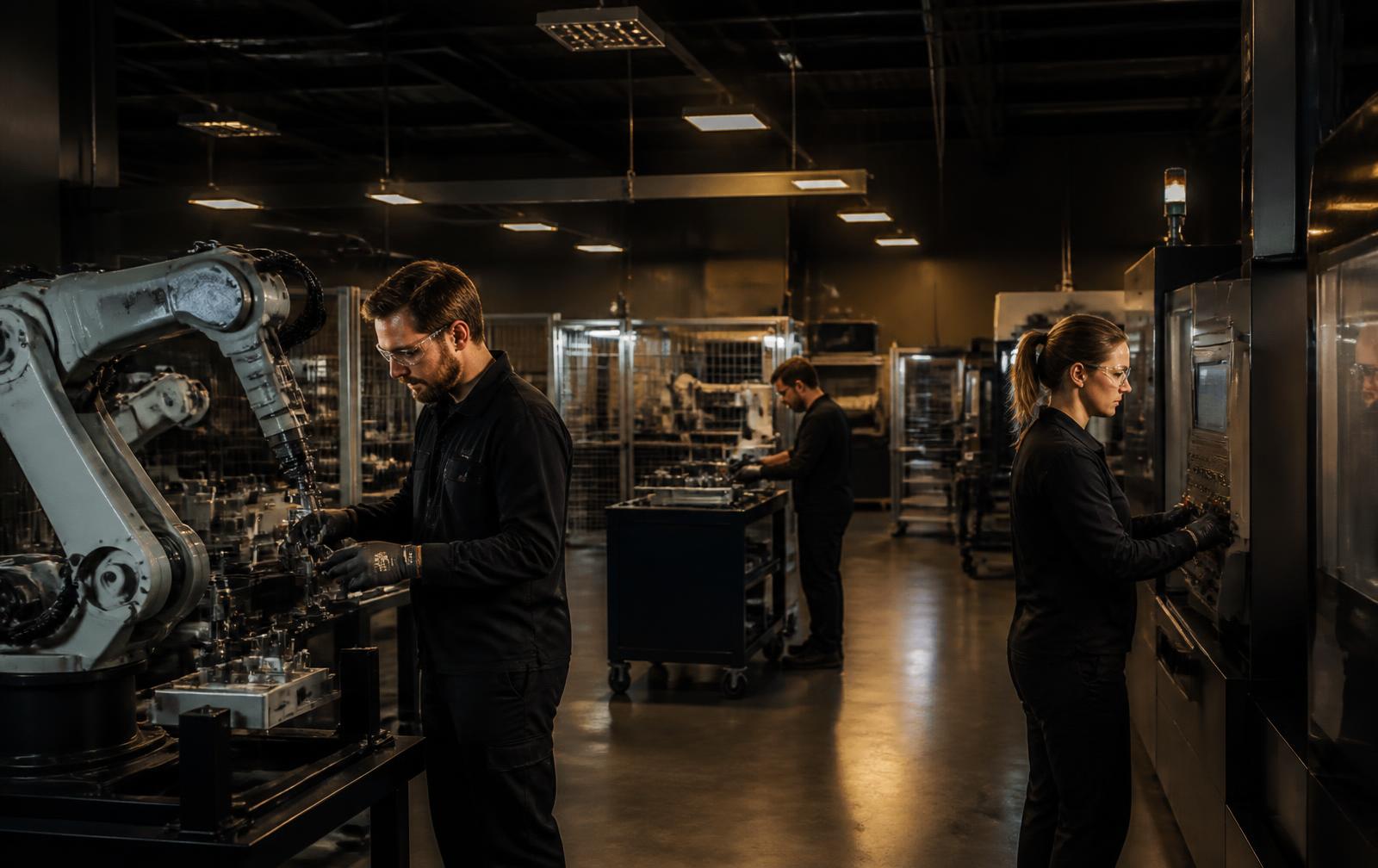
Design → Produce → Inspect → Automate
Science
Observe → Simulate → Experiment → Discover
Space
Explore → Observe → Simulate → Operate
Energy
Predict → Optimize → Coordinate → Automate
Agriculture
Observe → Predict → Cultivate → Harvest
Transportation
Perceive → Navigate → Coordinate → Move
15 — Example
Commerce is only the beginning.
- AI Agent
- Industry Protocol
- Ray
- Physical / Spatial System
- Physical Reality
UCP is one concrete example of an industry protocol. Commerce is one domain among many.
Agents can participate in commerce without requiring a human at every step.
16 — Abundance
From intelligence to abundance.
- Better interfaces
- More information
- Better intelligence
- Better simulation
- More automation
- Greater productive capacity
- Lower cost
- Greater availability
- ABUNDANCE
We believe abundance will require more than intelligent software.
It will require intelligence that can perceive, experience, reason, communicate, and act in the physical world.
17 — Architecture
A world where intelligence can move between realities.
The connection is still being built.
18 — Join
We’re building Ray.
We’re looking for people who want to build what comes next.
Bring your expertise.
Bring your research.
Bring your imagination.
Bring the capability you think should exist.
- Human
- Ray
- AI
- Physical world
Accelerating the world to abundance.