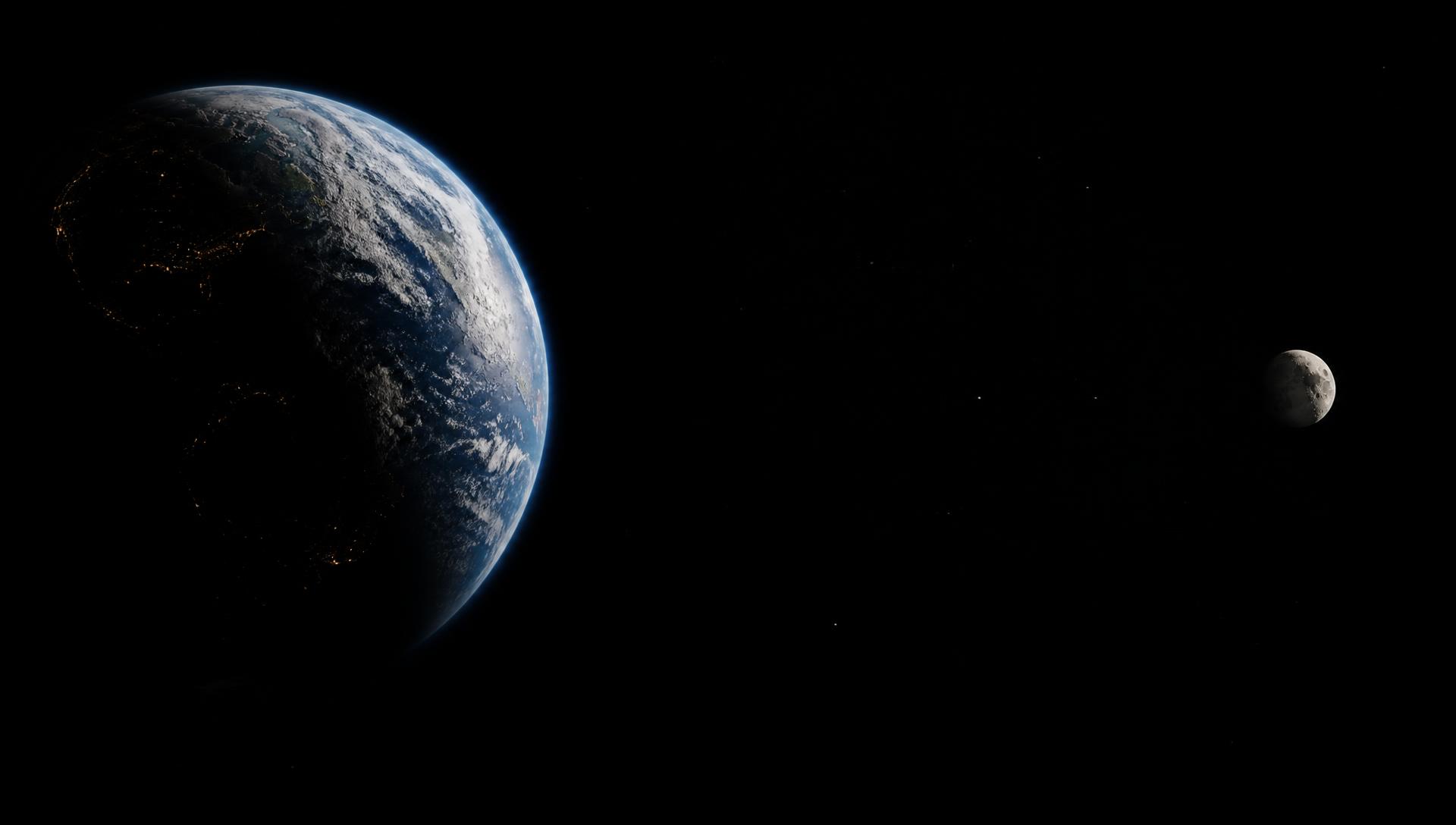
Infrastructure 02
The Interplanetary Transport System
Building the infrastructure for civilization beyond Earth.
We are developing the architecture that connects the systems that make expansion beyond Earth repeatable.
01 — From one world to a network of worlds
From one world to a network of worlds
- Earth
- Moon
- Phobos
- Mars
- Asteroids
- Mercury
- Solar Orbit
A destination can become infrastructure for the next destination.
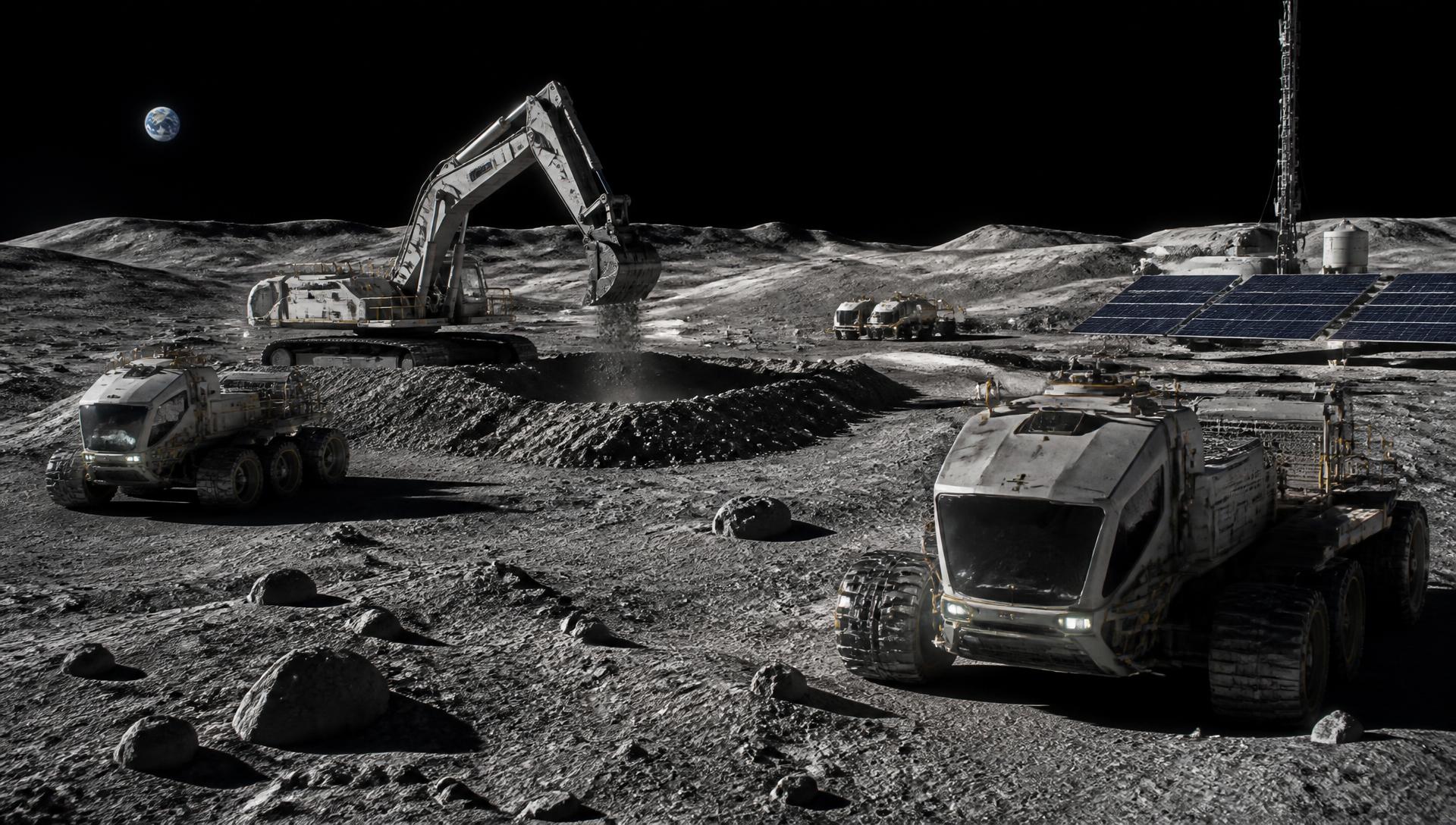
02 — The first node / Moon industrial base
The first node / Moon industrial base
1,000–5,000 tonnes
The objective is to build an industrial system that can build more of itself.
03 — Industrial self-expansion
Industrial self-expansion
- Machines
- extract resources
- process materials
- manufacture infrastructure
- build more machines
- expand production
Industrial Replication Ratio
> 1×
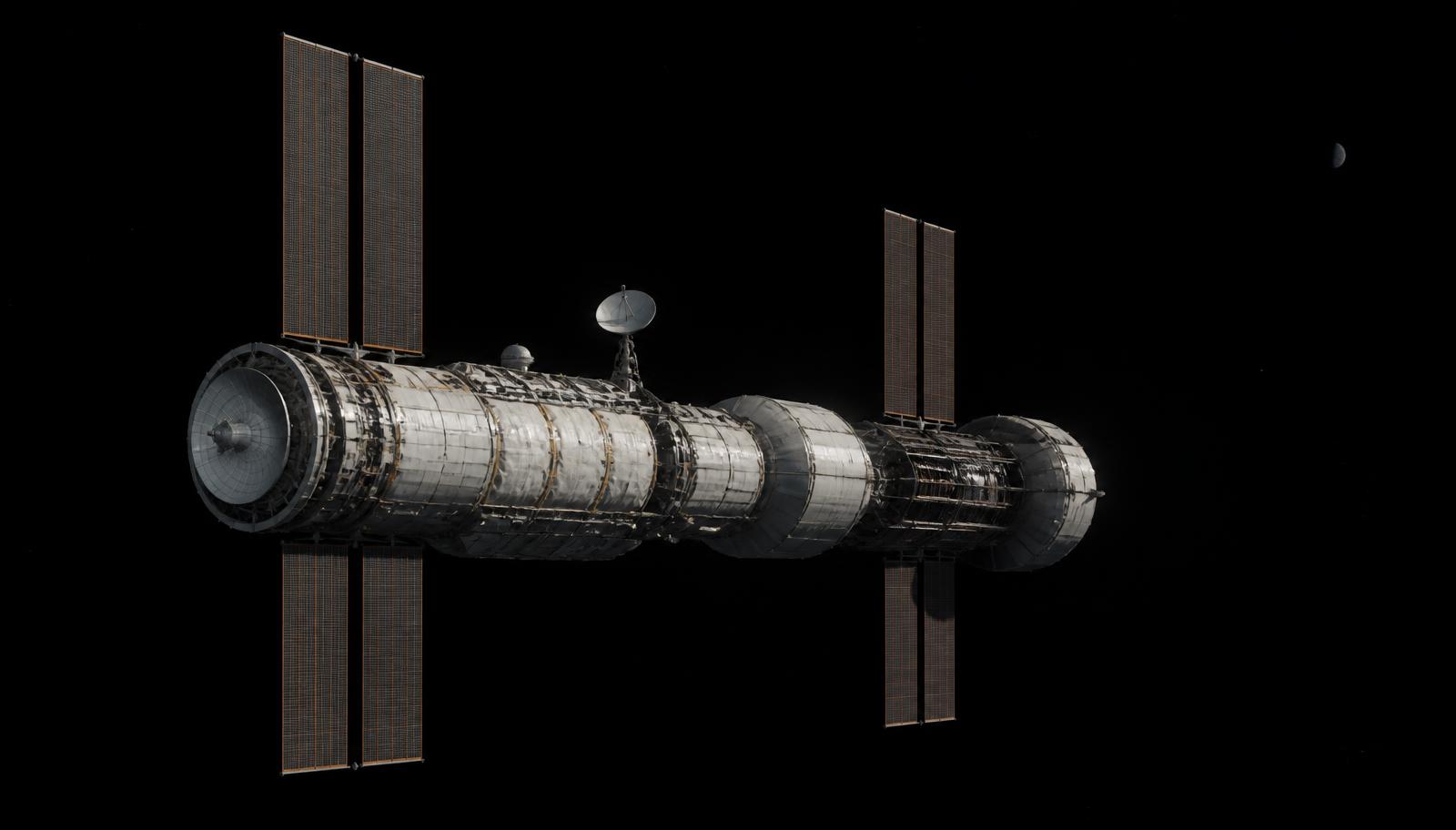
04 — Sanctuary 1
Sanctuary 1
- 100–1,000 tonnes — Preliminary final-mass design envelope
- ~7 days — Reference Earth–Mars-class transfer
- 401 million km — Reference distance
- ~0.447 g — Target acceleration
- ~1,326 km/s — Peak velocity
- ~2,652 km/s — Total Δv
1,326 km/s acceleration Δv
1,326 km/s deceleration Δv
These are design targets derived from simplified trajectory assumptions—not demonstrated spacecraft capabilities.
05 — Propulsion challenge
Propulsion challenge
- 01 — Pure Inertial Confinement Fusion (ICF) / Pulsed Fusion
- High-energy inertial-confinement fusion pulses
- Magnetic/electromagnetic plasma management
- Nozzle systems
- Directed spacecraft momentum
- 02 — Antimatter-Catalyzed Nuclear Pulse Propulsion
- Antimatter catalyst
- High-energy nuclear/fusion pulses
- Controlled plasma expansion
- Electromagnetic exhaust management
5,000–10,000 km/s — Target effective exhaust velocity research range
~510,000–1,020,000 s — Equivalent specific impulse
~440–570 kN — Reference thrust range for the 100-tonne case
~2–3 TW — Approximate useful jet-power requirement for the 100-tonne, 10,000-km/s reference case
~30 tonnes — Approximate reaction mass for the 100-tonne final-mass reference case at 10,000-km/s effective exhaust velocity
~130 tonnes — Approximate initial mass for the 100-tonne final-mass reference case at 10,000-km/s effective exhaust velocity
Neither architecture currently exists at Sanctuary 1 performance. They are research directions being investigated against the Sanctuary requirements.
The objective is to determine whether either architecture can satisfy the required:
- Exhaust velocity
- Thrust
- Specific power
- Energy conversion efficiency
- Thermal management
- Radiation protection
- Structural requirements
- Vehicle mass
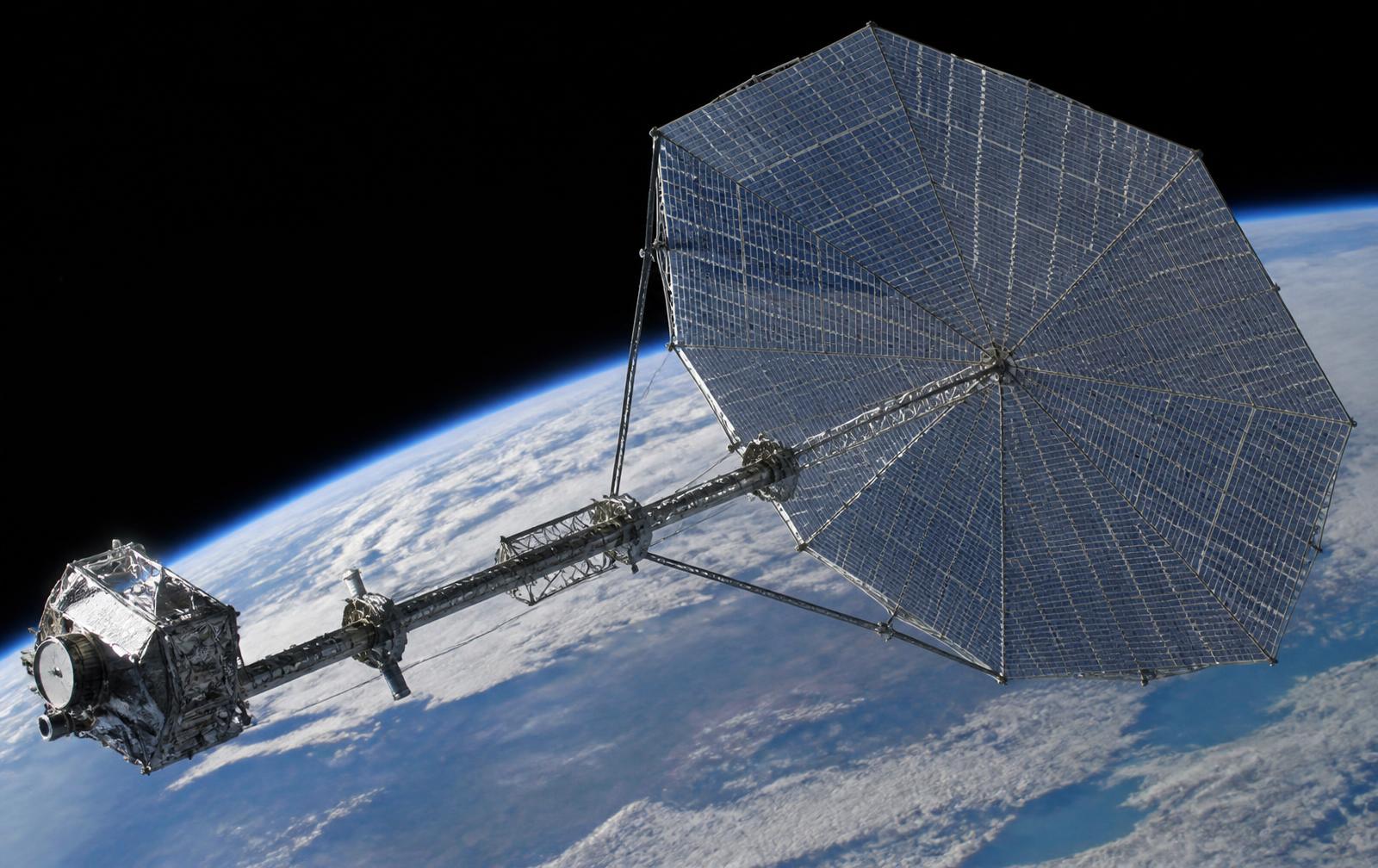
06 — Energy layer
Energy layer
- Solar generation
- Power conversion
- Power-beaming network
- Spacecraft
- Propulsion
Energy generation is separated from transportation.
Sanctuary carries its ability to move. ITS infrastructure can provide additional energy, power beaming, charging, manufacturing and other support, but Sanctuary 1 should not fundamentally depend on external energy infrastructure to complete a mission.
07 — Power network
Power network
Sanctuary 1 can operate independently while using ITS infrastructure when available.
- Node
- Node
- Node
- Node
- Node
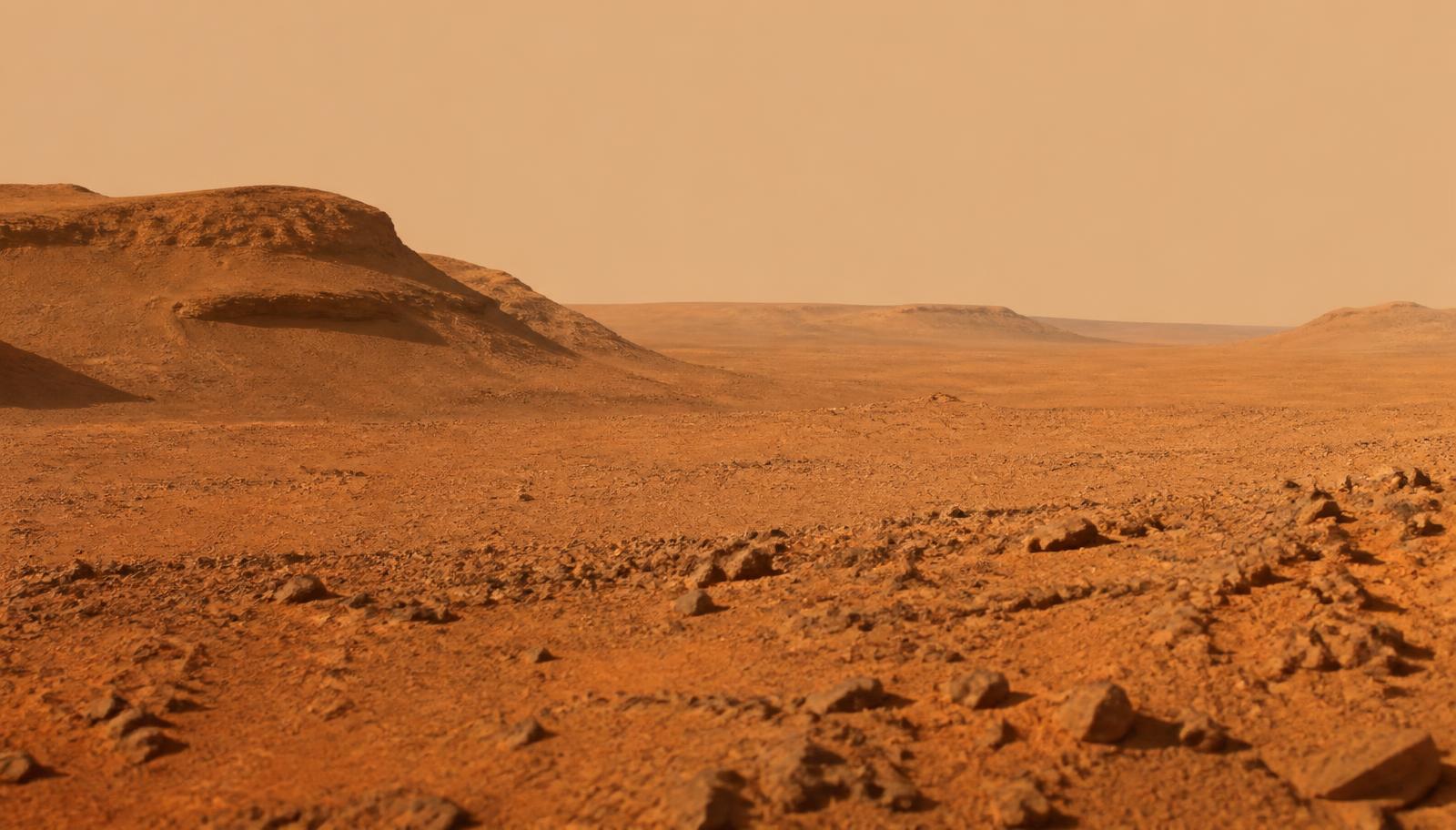
08 — Phobos + Mars
Phobos + Mars
- Moon
- Phobos
- Mars
09 — Expanding beyond Mars
Expanding beyond Mars
- Mars
- Asteroids
- Mercury
- Solar Orbit
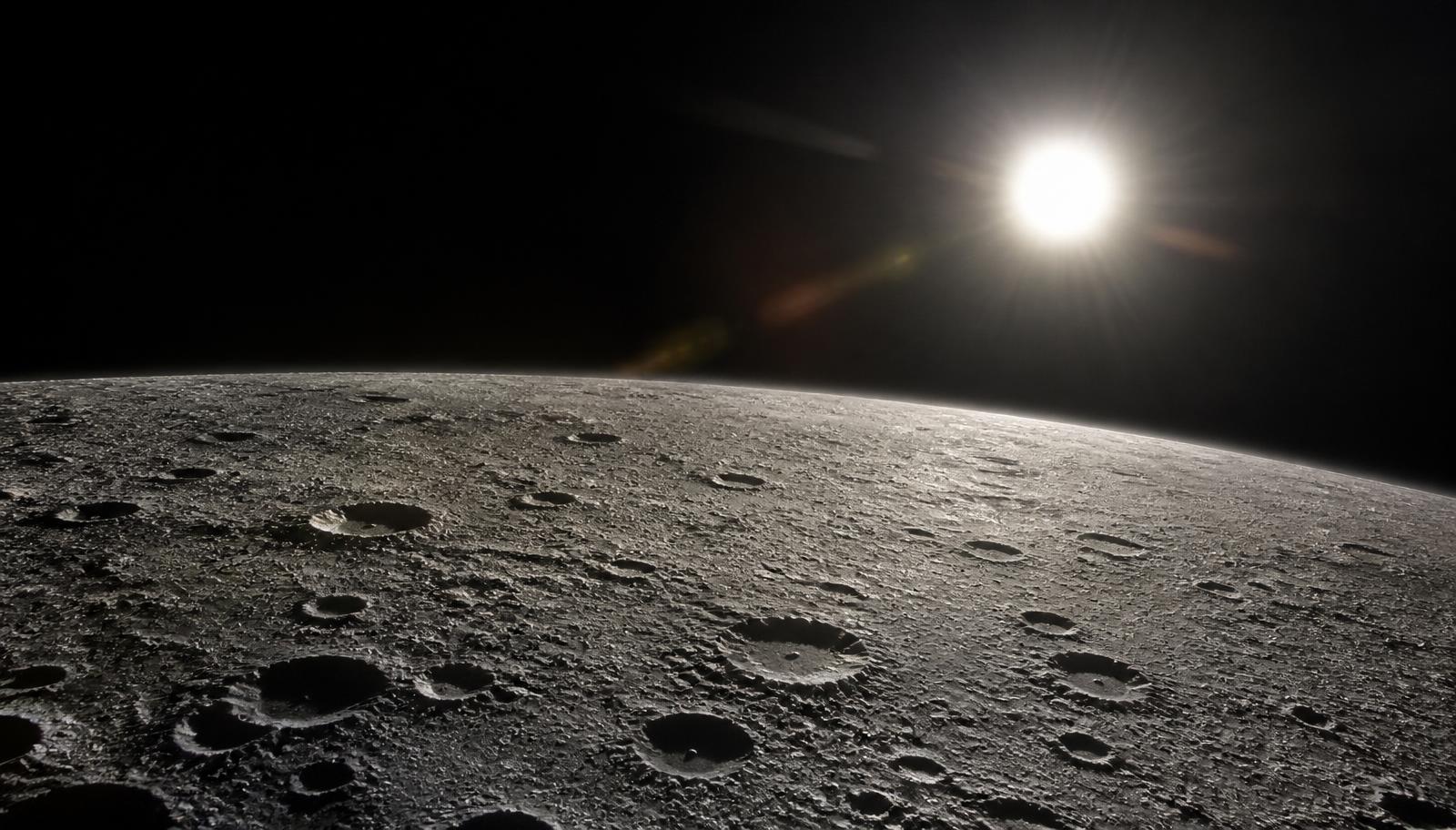
10 — Mercury
Mercury
11 — Material strategy
Material strategy
Stage 1
Earth
Stage 2
Moon
Stage 3
Asteroids
Stage 4
Mercury
Stage 5
Solar orbit
Progressively expand the resource base without destroying the infrastructure that creates future capacity.
The goal is to create more industrial capacity than we consume.
12 — Solar infrastructure
Solar infrastructure
- More factories
- more solar collectors
- more energy
- more factories
- more infrastructure
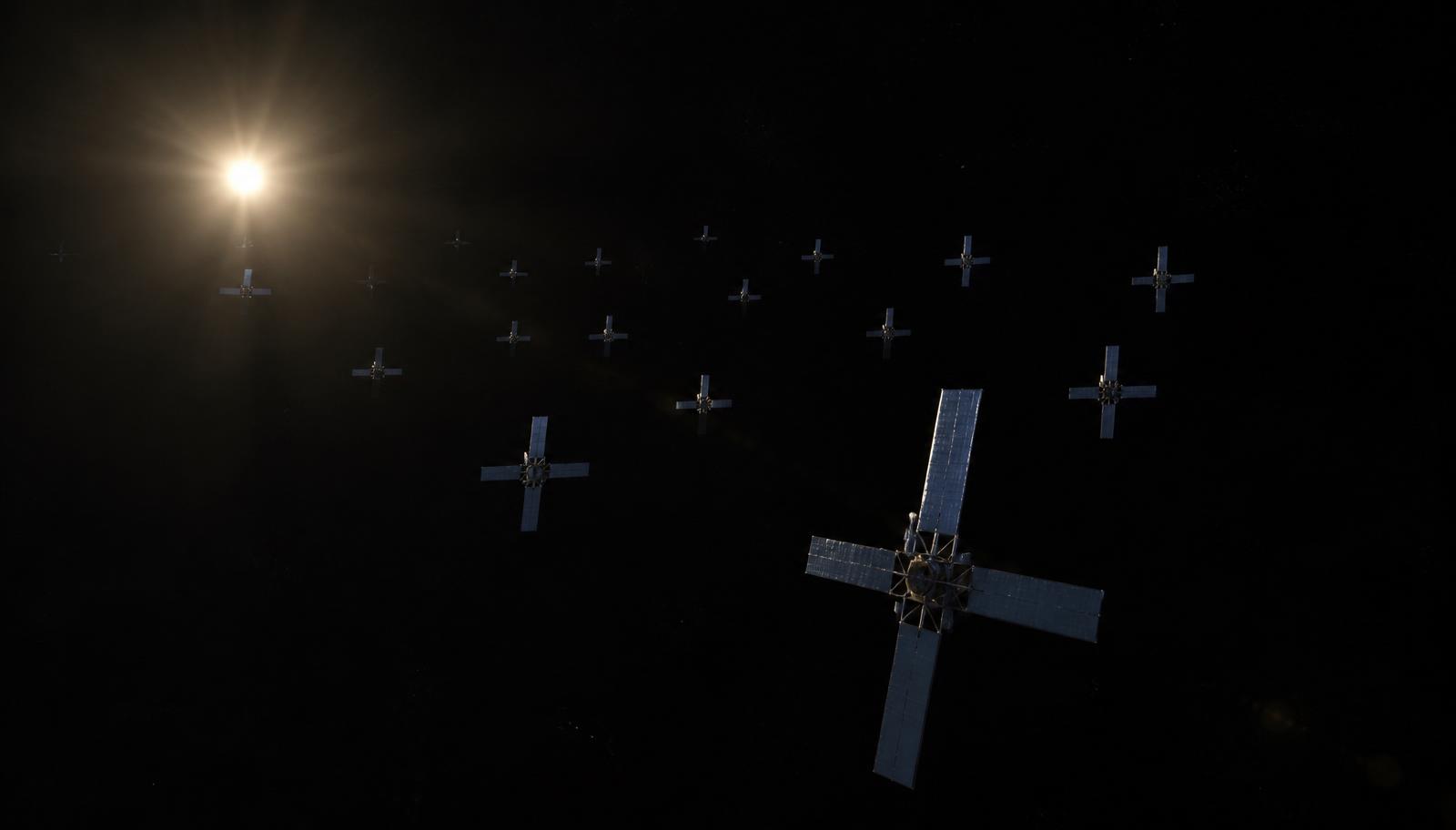
13 — Dyson swarm
Dyson swarm
- Off-Earth resources
- autonomous manufacturing
- solar-orbit factories
- solar collectors
- power infrastructure
- increasingly large swarm
Turn the Solar System's available energy into infrastructure for civilization.
14 — Computational layer / Terrestrial Brain
Computational layer / Terrestrial Brain
- Earth
- orbit
- Moon
- Mars
- Solar System
15 — Reality as data. Simulation as the laboratory.
Reality as data. Simulation as the laboratory.
- Observation
- data
- AI
- simulation
- prediction
- experiment
- new observation
The physical universe is our data source.
The simulated universe is our laboratory.
16 — The civilization brain
The civilization brain
- Terrestrial Brain
- orbital compute
- lunar compute
- Martian compute
- distributed Solar-System intelligence
- potentially planetary-scale computational systems
- potentially stellar-scale computation
The exact architecture remains an open research question.
17 — AI + robotics
AI + robotics
Autonomous systems
AI capabilities
It is to create an infrastructure where intelligence can operate throughout the physical environment.
18 — Spatial intelligence
Spatial intelligence
Earth has maps and addresses.
An interplanetary civilization needs a spatial intelligence layer.
19 — Solar drones
Solar drones
Their specific operational use cases remain under development.
20 — The bootstrap
The bootstrap
Earth provides the seed.
The Moon creates the first industrial base.
The industrial base creates more infrastructure.
The infrastructure reaches new resources.
New resources create more energy and manufacturing capacity.
More energy and manufacturing capacity enable more transportation, habitats and computation.
The system expands.
21 — The numbers
The numbers
1,000–5,000 t
Initial lunar industrial seed — planning range
100–1,000 t
Sanctuary 1 preliminary final-mass design envelope
~30 t
Reference reaction mass at 10,000 km/s effective exhaust velocity
5,000–10,000 km/s
Sanctuary propulsion research range
~2–3 TW
Approximate useful jet-power requirement for the 100-tonne, 10,000-km/s reference case
~7 days
Reference high-speed interplanetary transfer
401 million km
Reference distance
1×+
Industrial self-replication threshold
These numbers describe design targets and planning assumptions, not existing capabilities.
22 — The roadmap
The roadmap
- 01 — EARTH
- 02 — MOON
- 03 — SOLAR INFRASTRUCTURE
- 04 — THE SIMULATED UNIVERSE + HABITAT
- 05 — SELF-EXPANDING INDUSTRY
- 06 — SANCTUARY 1
- 07 — PHOBOS + MARS
- 08 — ASTEROIDS + MERCURY
- 09 — DYSON SWARM
- 10 — COMPUTATIONAL CIVILIZATION
23 — We are not waiting for the future
We are not waiting for the future
Some of the technologies required for this vision already exist.
Some are emerging.
Some require major engineering advances.
Some may require breakthroughs we cannot yet predict.
We want to identify those gaps—and build the path across them.
Infrastructure for civilization beyond Earth.
24 — Join the build
Join the build
Research areas
Propulsion
Energy
Space Manufacturing
Robotics
AI & Simulation
Space Infrastructure
Science
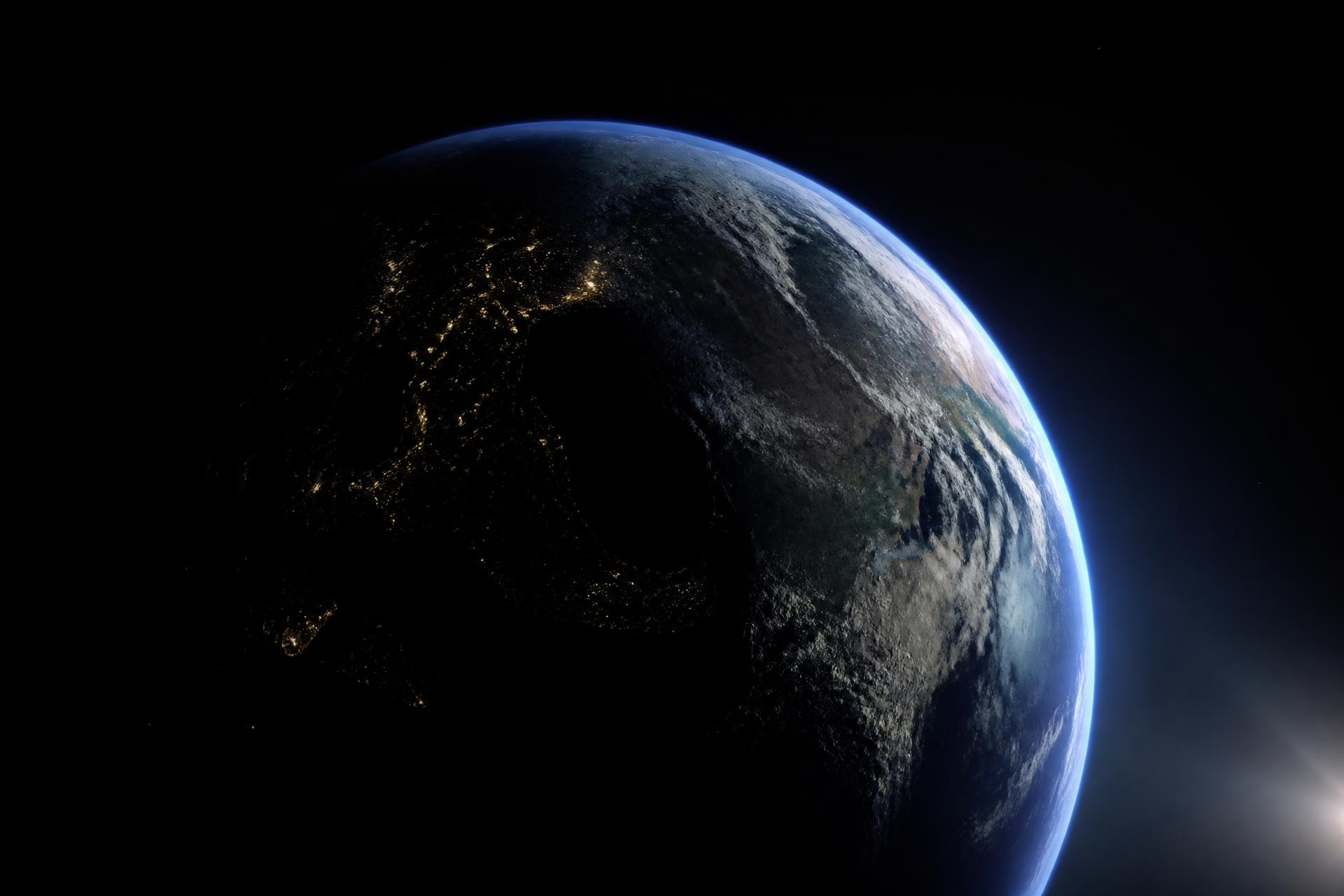
The Solar System is not the destination.
It is the beginning of the infrastructure.
Build the first node.
Build the next machine.
Build the next factory.
Build the next world.
Then build the infrastructure that connects them all.